If you have installed windows in your home, you probably already have
a good understanding of the benefits that a window can provide you.
With windows in your home, you’ll get the chance to experience the
lovely views around you and the ability to help manage your home’s
interior temperature. However, what some people seem to forget is that
the best windows in the house will also have a form of coverage that can
be used. You’re mostly likely to do this with window blinds. If you are
going to have windows in your home, you need to have window blinds. The
necessity of window blinds can be understood in this piece.
Most people who choose to install window blinds on each window do so
in order to increase their sense of privacy and security. As you are
probably already aware, windows are constructed so that you’ll be able
to look out at the world. Any moment when you are able to look out into
the world, it is just as possible for anyone in the world at large to
look right back at you. Though most people have no problem with this
idea when it is light outside, the night is a period of much more
vulnerability and uncertainty. At any time when you have the lights
turned on in a room while the night is occurring outside, you are
exposing yourself to anyone who happens to be looking on from the
outdoors.
By using window blinds, you’ll be able to ensure your own privacy
while you’re at home. There is no need to peek out the window when it is
dark outside, so you should lower your blinds in order to prevent
anyone else from getting a peek inside. This will allow you to feel safe
in your own house as much during the night as you normally do during
the day, since it can feel quite uncomfortable to be unsure whether
anyone is watching.
Your window blinds are also an effective method of temperature
control. You’ll really want to keep the sun from heating up your room in
the summer time. The best way to both keep the temperature of your
house at a bearable level and to save on your air conditioning costs is
to install window blinds on all the windows in your house.
Finally, the window blinds you install will be very useful for
managing the levels of light in your house. If you plan to sleep past
the rising of the sun, a set of window blinds can help keep too much
light from entering your bedroom. You’ll then be able to sleep to your
heart’s content.
Saturday, 30 August 2014

Wednesday, 30 July 2014
REASONS WHY YOU SHOULD HIRE AN INTERIOR DESIGNER PROFESSIONAL
Should you or should you not hire a professional when you want to
decorate or renovate your home? Certainly, both options present a series
of advantages and disadvantages. If you decide to do everything
yourself you get to save some money but if you hire a professional
everything will be easier and you’ll even learn a thing or two. We
definitely agree that hiring a professional is the best option and we
have several reasons for that.
Although hiring a professional seems like the smart thing to do, it’s not always the case. So before you spend money of someone else’s services, first decide whether it’s really what you need.

Even if you think you could do a good job at decorating your home, you might not have a lot of time to do it. In this case, a professional can take care of everything. Everything will be done quicker and you’ll be less stressed.

Most of the times you’ll find out that you and your life partner or the rest of the family members have different opinions on how the house should look like. In such cases it’s best to let a professional make the important decisions.
One of the most difficult things you have to do when decorating a space is finding a way to make things work together. If you have items you have bought over the years but they don’t match in terms of styles, then it will be difficult for you to remedy the problem. An interior designer, however, faces this challenge every day and has lots of tricks up his sleeve.
If you’re planning a major renovation where walls have to be moved and lighting fixtures need to be replaced, then you’ll definitely need some professional help. Don’t think you can do something like this on your own because you’ll be overwhelmed and will end up paying more just to fix what you’ve broken.

There are so many different options out there and when you’re not used to doing this every day it’s very difficult to know where to look for quality. A professional will be able to help you figure out how to get the best items for the money you have.
Even though it may seem strange, working with a professional interior designer will allow you to save money. It’s true that you’ll have to pay a fee but you’ll also get to work with someone that can prevent you from making costly mistakes and who can even get you discounts.

Before you start working with the interior designer you should take care of some things. Decide on a budget, collect color swatches and pictures of furniture and decors that you like and make a list of things you like and don’t like.

When deciding on a particular design, it’s important to offer as much information as possible to the designer. Help him understand your point of view, your preferences and your personality. This way he’ll be able to come up with something that perfectly represents you as a person.

A professional interior designer also has the ability to create custom-designed pieces in case you’ve found a design you like but you can’t buy it or if the regular furniture pieces don’t fit properly in your home.

Sometimes you’ll see that certain pieces of furniture, fabrics or materials are available to the trade only and you can’t get your hands on them. An interior designer will be able to get you those things because this is his job and he often faces this challenge.
Certain things are available to designers and not to the general public. Professionals have connections and they can obtain resources and merchandise that you can’t. So you’ll have access to all these things as well as guidance from the designer.
Do you need to hire a professional interior designer?
Although hiring a professional seems like the smart thing to do, it’s not always the case. So before you spend money of someone else’s services, first decide whether it’s really what you need.
A great option for busy persons.
Even if you think you could do a good job at decorating your home, you might not have a lot of time to do it. In this case, a professional can take care of everything. Everything will be done quicker and you’ll be less stressed.
A third party remedies conflicts.
Most of the times you’ll find out that you and your life partner or the rest of the family members have different opinions on how the house should look like. In such cases it’s best to let a professional make the important decisions.
Combining styles is a piece of cake.
One of the most difficult things you have to do when decorating a space is finding a way to make things work together. If you have items you have bought over the years but they don’t match in terms of styles, then it will be difficult for you to remedy the problem. An interior designer, however, faces this challenge every day and has lots of tricks up his sleeve.
Some things you just can’t do by yourself.
If you’re planning a major renovation where walls have to be moved and lighting fixtures need to be replaced, then you’ll definitely need some professional help. Don’t think you can do something like this on your own because you’ll be overwhelmed and will end up paying more just to fix what you’ve broken.
Designers know how to get you quality for your money.
There are so many different options out there and when you’re not used to doing this every day it’s very difficult to know where to look for quality. A professional will be able to help you figure out how to get the best items for the money you have.
You’ll save money.
Even though it may seem strange, working with a professional interior designer will allow you to save money. It’s true that you’ll have to pay a fee but you’ll also get to work with someone that can prevent you from making costly mistakes and who can even get you discounts.
Working with an interior designer!
If you’ve already decided that hiring a professional is the best choice for you, then you’ll be interested is how you should work with this person. Sometimes it can all be a failure if you simply can’t find a way to communicate with the designer.Do your homework.
Before you start working with the interior designer you should take care of some things. Decide on a budget, collect color swatches and pictures of furniture and decors that you like and make a list of things you like and don’t like.
Talk finances.
This is the part nobody really likes. You have to be very clear when you discuss finances with the designer. Make sure you understand the fees he has and that you agree on the budget you’ve set for the project.Offer as much info as you can.
When deciding on a particular design, it’s important to offer as much information as possible to the designer. Help him understand your point of view, your preferences and your personality. This way he’ll be able to come up with something that perfectly represents you as a person.
The advantages of working with a professional!
A professional interior designer won’t only have his knowledge to offer. He also has connections and can offer you certain advantages that can’t be obtained in other ways.Custom-designed furniture.
A professional interior designer also has the ability to create custom-designed pieces in case you’ve found a design you like but you can’t buy it or if the regular furniture pieces don’t fit properly in your home.
A one-of-a-kind décor.
When you decide to decorate the house by yourself you’ll most like seek inspiration in magazines and you’ll buy furniture and accessories from stores. But if you hide a designer he’ll be able to make your home a one-of-a-kind space with custom features and unique details.Access to certain pieces of furniture or fabrics.
Sometimes you’ll see that certain pieces of furniture, fabrics or materials are available to the trade only and you can’t get your hands on them. An interior designer will be able to get you those things because this is his job and he often faces this challenge.
Qualified workmen.
An interior designer will also be able to redirect you towards other professionals in case you need qualified workmen for other projects or if you want some custom-made features he can’t design by himself.More resources.
Certain things are available to designers and not to the general public. Professionals have connections and they can obtain resources and merchandise that you can’t. So you’ll have access to all these things as well as guidance from the designer.
Sunday, 20 April 2014
15 COMMON INTERIOR DESIGN AND DECORATING MISTAKES
Designers see many of the
same decorating “don’ts” over and over in people’s homes. The mistakes
often stem from a fear of making a design mistake in the first place.
Here are some common mistakes, and their tips for how to avoid making them:
Painting the walls before choosing furnishings: People tend to fall in love with a paint color they want to design a room around But, while you can mix infinite paint colors, you can’t mix a fabric color. It can be more difficult to find upholstery, fabrics and accessories in a very specific shade than to have a paint color customized to what you’ve purchased.
Buying pieces out of proportion: The size of furniture should be in scale in comparison with the rest of the room, Furniture in retail stores, with very high ceilings and wide open spaces, looks very different in a home. Buyers can end up with an oversized or overstuffed sofa that looked good in the store.
It requires a little bit of planning, but map out the size of the room and existing furniture you have. Write down the height, width and depth, along with the room dimensions. It can prevent a costly mistake.
Choosing a rug that is too small for a room: This an another common error in scale and proportion that can be avoided by taking measurements into a store with you. You need to know the room dimensions and the size of the largest pieces in it that the rug will lie in relation to.
Inadequately lighting a room: Many rooms and entire houses are poorly lighted.
There’s a difference between overhead lighting and accent lighting. The light in a room should be layered and from different sources.
Hanging window treatments too low: This makes the room look short and stubby, People think they should use brackets on the top trim or just above it. In reality, it looks better to hang window treatments up to a foot above the trim. It makes the window look taller and gives the illusion of height to a room. A valance above the window exposes more of the glass to allow more light.
Scattering collections all over the house: Grouping similar items together gives them more impact and allows them to complement one another.
Decorating each room in a bubble: A home that feels comfortable flows from room to room with some continuity. This is especially important for rooms that are open to one areas such as the entertaining areas — living, dining, kitchen and hearth.
If the colors are completely different or the tones are completely different, such as having one room done in pastels and another in bold colors, it is disharmonious to the eye. The same goes for having different flooring in every room, such as a different colored carpet, or different types flooring. It chops up the space.
Not using family photos in the living spaces: People think they are not supposed to do that,
“Isn’t there someone who’s face makes you smile to look at it?” A few well-placed pieces are much more appreciated than a score of photos on every surface. “My boss always said she didn’t trust people who didn’t have photos in their home. You live in your home. Don’t you want to look around and see things that make you smile?”
Thinking every wall needs a piece of art: Your eye needs a place to rest. Visual stimulation everywhere you look feels like clutter. It’s difficult to relax in a space like that.
Hanging art too high: An average eye level is 5 foot, 6 inches. The eye should rest in the center of the piece of art. If it is hung over a piece of furniture, it is best hung closer to the piece of furniture, so it reads as a cohesive vignette, rather than having the art float above it.
Using all matching furniture: Often people can’t visualize what a room might look like, and so they play it safe,The same sofa is purchased as a love seat, as well as a club chair. Sometimes she sees the same fabric used on all three pieces, with a second fabric used for the throw pillows. It is better to mix styles and fabrics. It adds interest to a room, so long as the fabrics all work together. Use each one in different amounts, thereby varying their importance. A room should look like it evolved over time. All the furniture in the room should coordinate but not match exactly. Even the end tables and coffee table don’t need to match.
Keeping too much clutter on furniture, such as too many pillows on couches and too many picture frames on shelves: Overdoing anything is not a plus. There are times there are so many pillows that people can’t sit comfortably on a sofa, Overdoing something really destroys the design.
Being swayed solely by looks without giving as much consideration to how a piece of furniture will function or feel: It’s a mistake to purchase an item without knowing if it’s comfortable or functional or if it fits.
You can look at something, but it doesn’t mean you can live with it
Pushing the furniture against the walls: People do this because they don’t know any different options. It makes the room look more like a hallway instead of a congenial conversation area. It’s better to float furniture in the right space.
Discarding existing pieces too quickly: Some people have trouble imagining the ways in which a piece they’ve owned for a long time can be reused. Not appreciating some of the treasures you already have is a mistake. An older piece can be turned into something fresh.
Here are some common mistakes, and their tips for how to avoid making them:
Painting the walls before choosing furnishings: People tend to fall in love with a paint color they want to design a room around But, while you can mix infinite paint colors, you can’t mix a fabric color. It can be more difficult to find upholstery, fabrics and accessories in a very specific shade than to have a paint color customized to what you’ve purchased.
Buying pieces out of proportion: The size of furniture should be in scale in comparison with the rest of the room, Furniture in retail stores, with very high ceilings and wide open spaces, looks very different in a home. Buyers can end up with an oversized or overstuffed sofa that looked good in the store.
It requires a little bit of planning, but map out the size of the room and existing furniture you have. Write down the height, width and depth, along with the room dimensions. It can prevent a costly mistake.
Choosing a rug that is too small for a room: This an another common error in scale and proportion that can be avoided by taking measurements into a store with you. You need to know the room dimensions and the size of the largest pieces in it that the rug will lie in relation to.
Inadequately lighting a room: Many rooms and entire houses are poorly lighted.
There’s a difference between overhead lighting and accent lighting. The light in a room should be layered and from different sources.
Hanging window treatments too low: This makes the room look short and stubby, People think they should use brackets on the top trim or just above it. In reality, it looks better to hang window treatments up to a foot above the trim. It makes the window look taller and gives the illusion of height to a room. A valance above the window exposes more of the glass to allow more light.
Scattering collections all over the house: Grouping similar items together gives them more impact and allows them to complement one another.
Decorating each room in a bubble: A home that feels comfortable flows from room to room with some continuity. This is especially important for rooms that are open to one areas such as the entertaining areas — living, dining, kitchen and hearth.
If the colors are completely different or the tones are completely different, such as having one room done in pastels and another in bold colors, it is disharmonious to the eye. The same goes for having different flooring in every room, such as a different colored carpet, or different types flooring. It chops up the space.
Not using family photos in the living spaces: People think they are not supposed to do that,
“Isn’t there someone who’s face makes you smile to look at it?” A few well-placed pieces are much more appreciated than a score of photos on every surface. “My boss always said she didn’t trust people who didn’t have photos in their home. You live in your home. Don’t you want to look around and see things that make you smile?”
Thinking every wall needs a piece of art: Your eye needs a place to rest. Visual stimulation everywhere you look feels like clutter. It’s difficult to relax in a space like that.
Hanging art too high: An average eye level is 5 foot, 6 inches. The eye should rest in the center of the piece of art. If it is hung over a piece of furniture, it is best hung closer to the piece of furniture, so it reads as a cohesive vignette, rather than having the art float above it.
Using all matching furniture: Often people can’t visualize what a room might look like, and so they play it safe,The same sofa is purchased as a love seat, as well as a club chair. Sometimes she sees the same fabric used on all three pieces, with a second fabric used for the throw pillows. It is better to mix styles and fabrics. It adds interest to a room, so long as the fabrics all work together. Use each one in different amounts, thereby varying their importance. A room should look like it evolved over time. All the furniture in the room should coordinate but not match exactly. Even the end tables and coffee table don’t need to match.
Keeping too much clutter on furniture, such as too many pillows on couches and too many picture frames on shelves: Overdoing anything is not a plus. There are times there are so many pillows that people can’t sit comfortably on a sofa, Overdoing something really destroys the design.
Being swayed solely by looks without giving as much consideration to how a piece of furniture will function or feel: It’s a mistake to purchase an item without knowing if it’s comfortable or functional or if it fits.
You can look at something, but it doesn’t mean you can live with it
Pushing the furniture against the walls: People do this because they don’t know any different options. It makes the room look more like a hallway instead of a congenial conversation area. It’s better to float furniture in the right space.
Discarding existing pieces too quickly: Some people have trouble imagining the ways in which a piece they’ve owned for a long time can be reused. Not appreciating some of the treasures you already have is a mistake. An older piece can be turned into something fresh.
Monday, 23 December 2013
INTERIOR DESIGN TIPS TO CONSIDER WHEN MOVING INTO A NEW HOME
There’s so much to
think about before moving into a new home that it’s hard to even figure
out where to start. Our advice is to be organized and to start thinking
of ideas long before you actually change homes. Look for inspiration,
visit stores and ask for opinions. We’ve gathered a few ideas you might
like. They’re things to take into consideration not just when moving
into a new home but also when considering a renovation for your home or
simply making some changes and updates.
Wine Storage.

It would be nice to have the space for a wine cellar and the basement would be a perfect choice but, if you don’t you can still find a way to incorporate some great-looking wine racks into the interior design. For example, here’s a living area with a wine wall.
Smart Storage.

Don’t waste floor space with storage units. Be smart and find ways to incorporate storage compartments into places like the staircase wall, under the bed or inside the stairs.
Have A Media Room.

If you’re the type that enjoying watching movies with friends or TV shows with your loved ones late at night, then having a media room is a must. If you have the basement, then waste no more time and start planning its décor.
Entertainment Space In The Basement.

The basement is perfect for lots of things. It can be a wine cellar, a media room, a play room for the kids or an entertainment space for the grown ups. You can have a pool table, a bar, a big TV screen and lots of other fun things in here.
A swing chair.

After you’ve designated a function for each room of the house, it’s time to think of the details such as the furniture. If there’s one thing I’d love to have in my home that would be a swing chair. You could have one in the living room, in the bedroom or in your home office. It’s also something the kids would enjoy.
Platform Beds.

Platform beds are very stylish. They have a modern look and they beautifully match simple and minimalist interior designs. Also, it’s easy to pair a platform bed with built-in nightstands.
Glass-encased Fireplace.

A fireplace is a marvelous focal point in any home. If you’re set on a modern or contemporary interior design, then you could opt for a glass-encased fireplace built into a wall. The best place for it would be between the living and dining areas.
Hammock Floors.

Trying to come up with an unusual idea for a casual and fun interior design. Try hammock floors. They take relaxation to a whole new level. It’s something you might like to include into the bedroom design but it could also be fun to have in a home office or, to save space, above the staircase.
Scandinavian Touch.

If you want a simple and soothing interior design for your home, then Scandinavian décor can offer you lots of great ideas. You can try using elements such as crisp white walls, light wooden finishes and black and white combinations.
Floor-to-ceiling Windows.
If part of your home project includes making big changes such as replacing the windows or actually building a new structure, then you should definitely consider having floor-to-ceiling windows. It’s an especially wonderful feature if you have beautiful views which can be admired from your home.
A Walk-in Closet.

Walk-in closets are considered to be wonderful features in any home. So, if your home doesn’t have one, maybe you can transform a small bedroom or a home studio into one. Use the space wisely.
Glass Walls For the En-suite Bathroom.

By replacing the walls that separate the bedroom from the en-suite bathroom with glass you make the room feel more spacious and more airy. If you’re worried about privacy you can install curtains.
An Infinity Bathtub.

An infinity tub or an overflow tub is one that has no drainage. Instead, the water overflows the tub and drains beneath it where there’s a platform. The water drains into the shower.
A Fireplace In The Bathroom.

Having a fireplace in the bathroom is truly wonderful. You can create a very cozy and inviting mood and turn the bathroom into a spa. Of course, small bathrooms can’t have this feature so you might have to make some changes.
An Original Headboard Design.

In the case of the bedroom, there’s not much you can do in terms of customization. The headboard, however, is a piece which you can personalize. So choose an unusual material, an interesting shape or come up with your own ideas for its design.
Pallet Coffee Table.

Making a coffee table out of wooden pallets is extremely easy. It’s basically a project you can do on a weekend. The coffee table will give your living room a rustic charm and it will also be a way in which you can personalize the décor.
Unusual Window Designs For The Balcony.


Build yourself a beautiful and airy rooftop balcony by simply choosing the right windows. Take a look at these ones. It’s an innovative and ingenious idea which can allow you to take advantage of the views.
Smart Wall Dividers.

Don’t waste any space in your home. Instead of regular walls to separate the areas, try something smarter like this rotating wall divider. Mount the TV on it and you’ll be able to watch your favorite shoes either from the bedroom or the living room.
A Murphy bed for the kids’ room.

Don’t waste the floor space in the kids’ room with furniture. Opt instead for features like a Murphy bed which dis spears into the wall unit when not needed, leaving not lots of room for the kids to play in.
Saturday, 14 September 2013
IMPORTANCE OF LIGHTNING IN INTERIOR DESIGN
The lighting in a home changes the mood of a room just as it does the
perceived size of a room. Placement and type are important aspects of
interior design, and they work in conjunction with color selections,
room size, availability of natural light and furniture selection. The
elements that come together when the right lighting is achieved
transform a room into a seamless combination of functionality and style.
Color Management
The use of lighting can add to or subtract from the overall colors of a room or from only those surfaces the light is meant to enhance. Darker colors make a room feel smaller and cramped, while light-colored walls do the opposite. The illusion of space is defined by light reflected off of the surfaces of the walls. Some types of lighting help with this illusion by further illuminating the walls. In addition, directional lighting, such as a track light, can soften the wall colors. There is also recessed can lighting, which has a soft, downward glow that illuminates the floors, not walls. This is opposed to lights hung from the center of the room, which provide ambient illumination, or wall lighting. In both cases, this can affect how light or dark a colored section can appear.Directional Lighting
The lighting in a room either provides illumination for the entirety of the room, or it highlights very specific elements. Track lighting is the perfect example of positional lighting. Hung from the ceiling, the adjustable necks and lamps can be pointed at specific elements, such as a wall painting, the vase of flowers on an entryway table or the bar top or kitchen island. Consider mounting them on the walls, also. Special picture and mirror frames also have built-in lighting to highlight specific areas on a wall. Recessed lighting can be used in floors and ceilings to create vertical beams of light as opposed to an overall glow from central light fixtures hanging from a ceiling.Functionality
One major role of lighting in the interior setting is
functionality. Lighting needs to serve a purpose, or it simply wastes
electricity. Chandeliers are not only used in large, open foyers,
entryways and rooms because of their centrally themed placement but also
because they provide excellent illumination for the room. Wall lights
add length and size, visually, to an entryway hall, as well as light the
way. Consider the style of lighting you want to ensure you get the best
directional or luminescent type for the setting. Look into
task-specific lighting for desks and other work areas where
functionality is more important than overall room illumination.
Space
Both natural and man-made lighting help with the illusion of space. For a darker room, find ways to bring in more full-spectrum natural light. If the room does not have sufficient lighting, it will feel cramped. This is worsened by close-proximity furniture arrangements, such as coffee table, end table, sofa, chair and love seat combinations in a smaller setting. Corner lamps, wall sconces and centrally hanging lights on the ceiling help brighten a room if natural lighting is not available and help create a visually larger space. This applies to any setting -- home or office. Natural lighting is preferred above man-made lighting because it shows off colors better and adds to the visual space of a room by bouncing off reflective surfaces. Consider skylights or large windows if you want more natural light, or use sheer drapes and curtains to allow the maximum amount of light from your current windows.Sunday, 1 September 2013
EXPLANATION FOR WINDOW BLINDS BY GOLDENSCAPE INTERIORS
Vertical blinds, Venetian blinds, VELUX blinds and Roller blinds are stylish, versatile and practical. They are a modern solution, easy to adjust, to control light filtration and allow you privacy, also they prevent damage to your furnishings. However, the effect of the blinds on light, privacy and the look of the room is dependant on the type of blinds you choose.
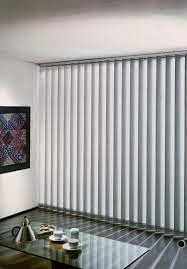
If you are looking for an efficient way of getting the privacy you need, protect the furniture of your room form the damaging effects of the sun and complete the décor of your home at the same time, then any of the blinds available from us, are the perfect choice.
These window treatments are an affordable solution for home improvement and sun protection.here offer you a few helpful hints.
Vertical Blinds
Vertical blinds have Vertical panels that can be adjusted to control the amount of light that enters the room. The blinds can also be pulled to one or both sides of the window if you want to allow all the light to enter. Vertical blinds are available in different widths and lengths, and they are a popular choice for full-length windows, conservatory windows or patio doors.
Many people use Vertical blinds to control the amount of light that enters a conservatory or sunroom in order to protect the furniture from damaging sunlight. Vertical blinds can be bought in a range of colours, textures and patterns, while many of the fabrics are machine washable.
When it comes to measuring and installing blinds, there are a few things you should remember. To get accurate measurements, you should use a steel ruler, and it is worth bearing in mind that the blind should be unobstructed when it is fully extended to allow it to hang freely.
Venetian blinds
Perhaps the most well known and most popular type of blind, Venetian blinds have horizontal panels and are made of Wood or Aluminium, which can be adjusted to control the amount of sunlight allowed into the room. Venetian blinds are available in various widths and lengths, Blindology Blinds offer made-to-measure Venetian blinds.
These types of blinds are so well loved because they offer a clean, uncluttered look and you can choose a style or material to compliment the look of your room. There are many options from dark Wood Venetian blinds to striking metallic blinds.
Roller Blinds
Roller blinds are made from opaque or vinyl fabric that is wrapped around a dowel, which can be rolled up or down by using a cord system. Roller blinds are particularly popular in rooms where you might want complete privacy, such as a bathroom or bedroom. This type of blind offers a simple, practical but stylish option, as roller blinds are available in many different colours and styles, such as straight, shaped or decorative hems.
VELUX Blinds
- Siesta Blinds:
Blackout effect, to turn day into night. Aluminium backing (as standard) to reduce heat gain and heat loss. Available in a wide range of colours and designs. - Roller Blinds:
Provide basic privacy and control of sunlight, wide range of colours and patterns available to choose from. - Pleated Blinds:
Provide privacy and sun screening without total blackout of daylight. Create elegant, soft, decorative effect. Available in a wide range of colours and patterns. - Venetian Blinds:
Control both the amount and direction of light. Classic style combined with practical simplicity. Aluminium coating option available to reduce heat gain and heat loss. - Awning Blinds:
The external Awning blind provides effective protection against the heat of the sun, while allowing a pleasant diffused light into the room. (Fabric 5060 and 6060).
Friday, 30 August 2013
THE MOST COMMON INTERIOR DESIGNS MISTAKES TO AVOID
A few small tweaks to your space can make all the difference. Knowing
right from wrong can transpire a cramped and chaotic space into one that
is organized and tranquil, can create a sense of order and balance.
Read on as we help clarify what’s right and what’s wrong.
Subscribe to:
Posts (Atom)